Our Approach

Our Approach

We’re focused on delivering personalized treatment plans that get results. We address the areas that may be preventing the body from properly functioning, not just treating everything and hoping something works.

You’re not just back pain, neck pain or a knee complaint. You’re a whole person and we treat you that way.

At JD Osteopathy, we strive to treat you with diligence and care. Every problem deserves the utmost attention. Don’t settle for a “cookie-cutter” approach where your problems are glossed over and not thoroughly investigated.

That’s not how we do things at JD Osteopathy. We assess the whole body, because your pain didn’t walk in the door, YOU did.

Osteopathy creates stability through strategic movement, building you up rather than breaking you down. Whether you’re healing from injury, managing a recurring issue, or simply trying to move and feel better, we meet you where you are.
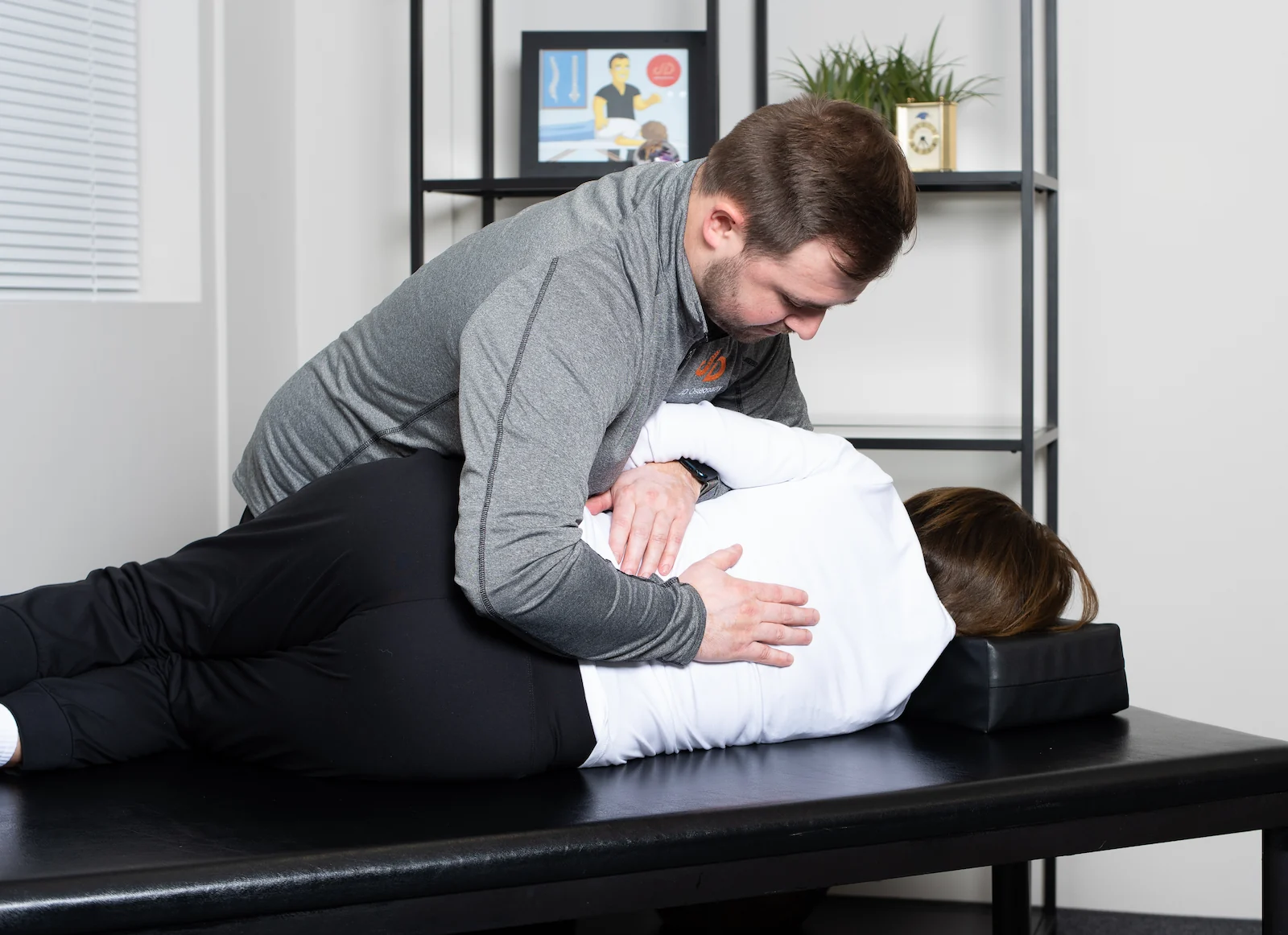
JD Osteopathy practitioner treating a patient in a sideline position with hands on the patient's back

The Problem

Most Practitioners Treat Where It Hurts. We Find Why It Hurts.

You’ve been here before. You go to a practitioner. They work on your shoulder. It feels better for a few days, maybe a week.

Then it comes back. So you go again. Same treatment. Same temporary relief. Same cycle.

Here’s what’s actually happening: they’re treating the symptom. Not the source.

Your body is connected. Your shoulder pain might be coming from restricted ribs. Your knee pain from altered hip mechanics. Your lower back from how your diaphragm moves.

Most practitioners never look beyond where you’re feeling it.

We do.

Our Philosophy

The JD Osteopathy Difference: Less Force, More Thinking

I became an osteopathic practitioner because I was frustrated. I saw patients getting the same treatment over and over, practitioners throwing every technique at the problem, hoping something would stick. It never made sense to me.

Why not think it through first? Why not use anatomy and biomechanics to find what’s actually wrong? The body gives us clues and it’s our job to interpret it and find a solution.

That’s what we do at JD Osteopathy. We don’t just work where it hurts. We assess your whole body and how your joints move, how your tissues respond, how everything connects. Then we correct what matters. Not everything all at once, just what’s stopping you from overcompensating and creating pain.

Less intervention. More precision. Better results.

How We Work Differently

Whole-Body Assessment: We don’t just ask “where does it hurt?” We look at how your entire musculoskeletal system is functioning. Your knee pain might trace back to your foot. Your neck pain to your ribcage.

Gentle, Adaptive Techniques: No cracking. No forcing. We use slow, rhythmic manual techniques that work with your body, not against it. Every treatment adapts based on how your body responds in real-time.

Reasoning Over Repetition: We don’t apply the same protocol to everyone. We think through your specific anatomy and biomechanics to figure out what’s actually restricting your movement and causing symptoms.

Strategic, Not Aggressive: We correct less and let your body do more. Once we remove the key restrictions, your body has the freedom and resources to heal itself. That’s when lasting change happens.

Empowering you to learn: It is important for us to know that you understand what is going on. From when you come in to when you’re at home and want to read more about how osteopathy can help your specific issue, we inform you of our findings and ensure you have the tools to succeed.

What Does This Actually Mean?

CHRONIC SHOULDER PAIN EXAMPLE: Most practitioners work directly on your shoulder, massage, stretching, strengthening exercises. We trace it. Often shoulder pain comes from: → Restricted rib movement (limits shoulder blade mobility) → Neck tension (alters nerve signaling) → Diaphragm restriction (changes breathing mechanics and posture)… We address those areas. Your shoulder finally has the freedom to move properly. Pain resolves because we fixed the cause of the shoulder, not just the symptom.

RECURRING LOWER BACK PAIN EXAMPLE: You’ve tried physio, and/or chiro, but it only helps temporarily, then returns. Maybe you frequently get a massage but the pain and tension comes back. We look beyond the lower back: → How is your pelvis moving? → Is your diaphragm restricted? → Are your hips compensating? → What’s happening at your feet? → Does your neck not move, making your back muscles have to work harder to re-centre your spine? Often we find the answer nowhere near your lower back. Once we address it, the pain stops coming back.

This Approach Works Best If

You’ve tried multiple treatments that only helped temporarily

You’re tired of practitioners who only work where it hurts

You want someone who uses anatomy to find you a solution, instead of a cookie-cutter approach

You’re looking for lasting relief, not just temporary symptom management.

You’re ready to explore other areas that may be causing your pain. This is especially effective for chronic pain, recurring issues, and problems that haven’t responded to other treatment.

What to expect at your first appointment

45 MINS

We don’t separate “assessment” from “treatment.” It’s one continuous process.

1. We listen to your story. What’s bothering you? What have you tried? When does it hurt most? What’s given you relief in the past?

2. We assess your whole body, not just where it hurts, we look at how everything moves and connects to understand the problem.

3. We treat as we assess; we treat as we gather more information through motion testing different structures on all layers, and then we address them. We’re constantly reading how your body responds and adjusting in real-time.

4. We explain what we’re finding so that you’re in the know and understand what’s actually causing your symptoms. With anatomical reason, we can explain why previous treatments might not have worked.

5. We create a plan together on what to expect, how often to come in. We go over things to consider and actionable considerations to make your life easier, not more complicated. We’re transparent about the process.

Follow-up Treatments:

20-30 MINS

Follow-up sessions build on this foundation, going deeper as your body adapts and improves.

A comprehensive guide can be found here for a more detailed walk through
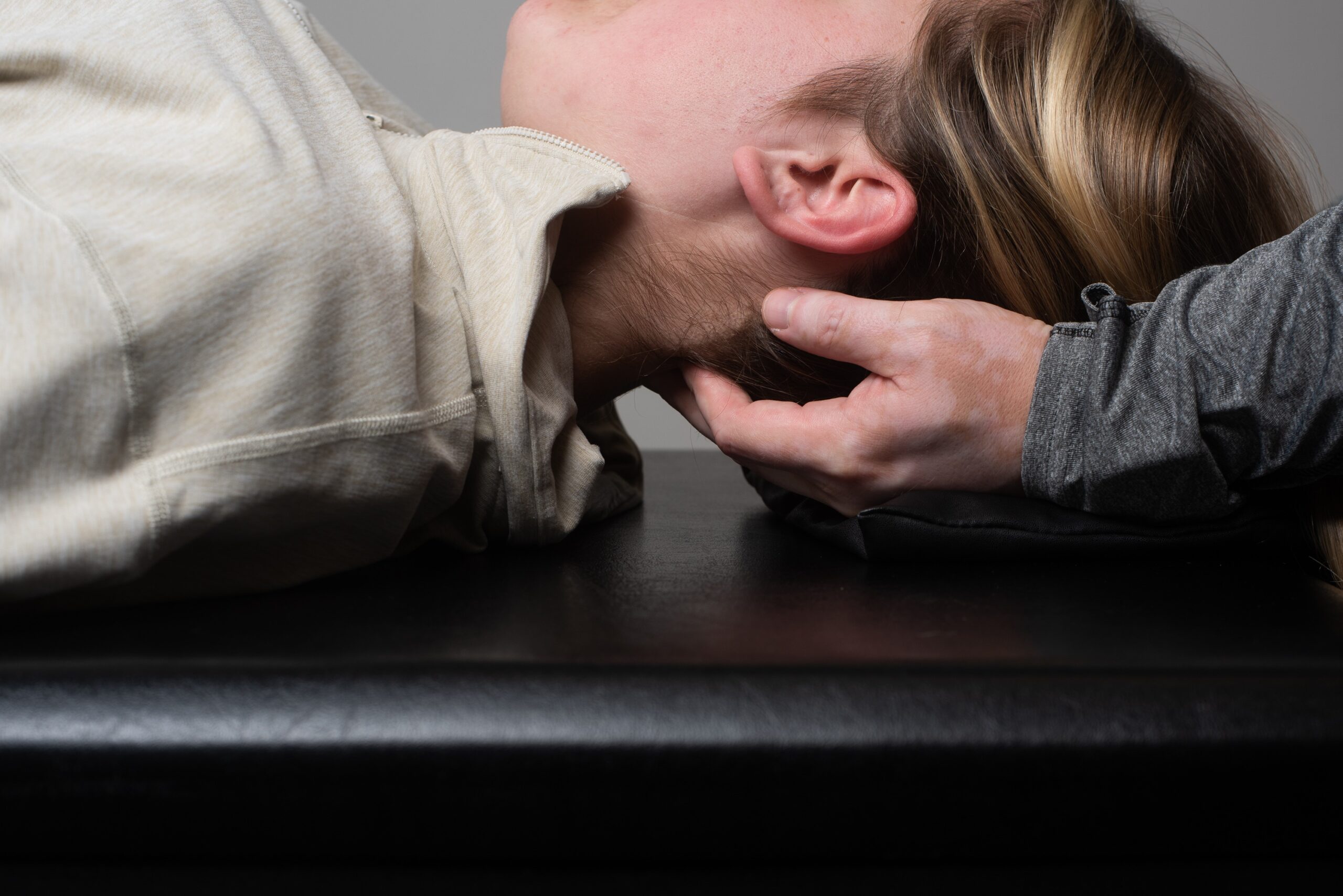
JD Osteopathy practitioner gently treating a patient's neck while the patient lies face down on the table

Book Today

If you’ve got more questions, we’ve got more answers.

See our frequently asked questions

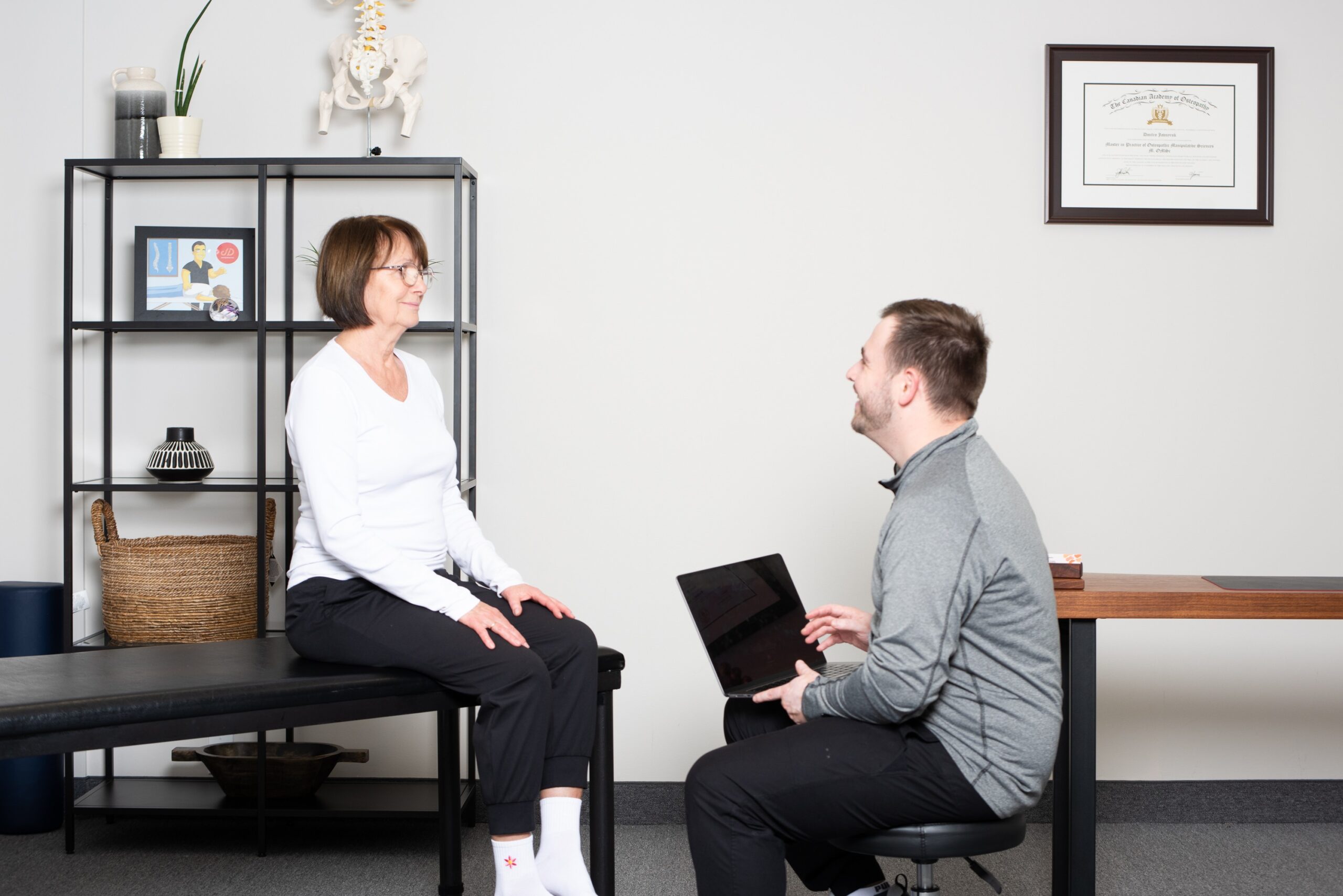
JD Osteopathy practitioner sitting and talking with a patient during a consultation in the clinic

We’re focused on delivering personalized treatment plans that get results. We address the areas that may be preventing the body from properly functioning, not just treating everything and hoping something works.

You’re not just back pain, neck pain or a knee complaint. You’re a whole person and we treat you that way.

At JD Osteopathy, we strive to treat you with diligence and care because every problem deserves the utmost attention. Don’t settle for a “cookie-cutter” approach where your problems are glossed over and not thoroughly investigated.

That’s not how we do things at JD Osteopathy. Our approach is to assess the whole body because your pain didn’t walk in the door, YOU did.

Osteopathy creates stability through strategic movement, building you up rather than breaking you down. Whether you’re healing from injury, managing discomfort, or enhancing performance, we help your body work as designed.

Experience the difference: care that makes you function better, not just feel better. Move freely, live fully, and return to what you love.

JD Osteopathy treating a patient side-lying with hands on the patient's back

The Problem

Most practitioners treat where it hurts. We find why it hurts.

You’ve been here before. You go to a practitioner. They work on your shoulder. It feels better for a few days, maybe a week. Then it comes back. So you go again. Same treatment. Same temporary relief. Same cycle.

Here’s what’s actually happening: they’re treating the symptom, not the source. Your body is connected. Your shoulder pain might be coming from restricted ribs. Your knee pain from altered hip mechanics. Your lower back from how your diaphragm moves.

Most practitioners never look beyond where you’re feeling it. We do.

Our Philosophy

The JD Osteopathy difference: less force, more thinking.

I became an osteopathic practitioner because I was frustrated. I saw patients getting the same treatment over and over, practitioners throwing every technique at the problem, hoping something would stick. It never made sense to me.

Why not think it through first? Why not use anatomy and biomechanics to find what’s actually wrong? The body gives us clues, and it’s our job to interpret them and find a solution.

That’s what we do at JD Osteopathy. We don’t just work where it hurts; our approach is to assess your whole body and how your joints move, how your tissues respond, how everything connects. Then we correct what matters. Not everything all at once, just what’s stopping you from overcompensating and creating pain.

Less intervention. More precision. Better results.

How We Work Differently

  • Whole-body assessment. We don’t just ask “where does it hurt?” We look at how your entire musculoskeletal system is functioning. Your knee pain might trace back to your foot. Your neck pain to your ribcage.
  • Gentle, adaptive techniques. No cracking. No forcing. We use slow, rhythmic manual techniques that work with your body, not against it. Every treatment adapts based on how your body responds in real time.
  • Reasoning over repetition. We don’t apply the same protocol to everyone. We think through your specific anatomy and biomechanics to figure out what’s actually restricting your movement and causing symptoms.
  • Strategic, not aggressive. We correct less and let your body do more. Once we remove the key restrictions, your body has the freedom and resources to heal itself. That’s when lasting change happens.
  • Empowering you to learn. It is important to us that you understand what is going on. From when you come in to when you’re at home and want to read more about how osteopathy can help your specific issue, we inform you of our findings and make sure you have the tools to succeed.

What Does This Actually Mean?

Chronic shoulder pain example: Most practitioners work directly on your shoulder with massage, stretching, and strengthening exercises. We trace it. Often shoulder pain comes from restricted rib movement (which limits shoulder blade mobility), neck tension (which alters nerve signalling), or diaphragm restriction (which changes breathing mechanics and posture). We address those areas, and your shoulder finally has the freedom to move properly. Pain resolves because we fixed the cause of the shoulder pain, not just the symptom.

Recurring lower back pain example: You’ve tried physio and chiro, but it only helps temporarily, then returns. Maybe you frequently get a massage, but the pain and tension come back. We look beyond the lower back: how is your pelvis moving? Is your diaphragm restricted? Are your hips compensating? What’s happening at your feet? Does your neck move freely, or are your back muscles working harder to re-centre your spine? Often we find the answer nowhere near your lower back. Once we address it, the pain stops coming back.

Our Approach Works Best If

  • You’ve tried multiple treatments that only helped temporarily
  • You’re tired of practitioners who only work where it hurts
  • You want someone who uses anatomy to find you a solution, instead of a cookie-cutter approach
  • You’re looking for lasting relief, not just temporary symptom management
  • You’re ready to explore other areas that may be causing your pain. This is especially effective for chronic pain, recurring injuries, and issues that haven’t responded to conventional treatment directed at one area.

What to Expect at Your First Appointment

finaldsc 2286 xkN8w8SlMEygtjg4 1

We don’t separate “assessment” from “treatment.” It’s one continuous process.

  1. We listen to your story. What’s bothering you? What have you tried? When does it hurt most? What’s given you relief in the past?
  2. We assess your whole body, not just where it hurts. We look at how everything moves and connects to understand the problem.
  3. We treat as we assess. As we gather information through motion testing of different structures on all layers, we address them. We’re constantly reading how your body responds and adjusting in real time.
  4. We explain what we’re finding so you understand what’s actually causing your symptoms. With anatomical reasoning, we can explain why previous treatments might not have worked.
  5. We create a plan together on what to expect and how often to come in. We go over actionable considerations to make your life easier, not more complicated. We’re transparent about the process.
45 mins Initial Assessment & Treatment
20–30 mins Follow-Up Treatments Follow-up sessions build on this foundation, going deeper as your body adapts and improves.

A comprehensive guide can be found here for a more detailed walk-through of getting started with osteopathy.

Book Today

Got more questions about our approach? We’ve got more answers.

Photo of patient being told our approach by Dmitro Jovnyruk at jd osteopathy

No referral required · Initial $110 · Follow-up $85