
Back Pain Osteopathy Mississauga: A How-To Guide
Learn how osteopathy can relieve back pain in Mississauga. This step-by-step guide covers treatment, finding a practitioner, and self-care tips.
WHAT OSTEOPATHY CAN HELP WITH
Back Pain Osteopathy Mississauga: A How-To Guide
If you're in Mississauga and your back pain keeps coming back, you're not alone. Many people try stretching, painkillers, or rest, but the pain returns. That's because they're treating symptoms, not the cause. Osteopathy takes a different approach. It looks at your whole body and finds what's really driving the problem.
In this guide, you'll learn exactly how osteopathy works for back pain, how to find a qualified practitioner in Mississauga, what to expect at your first visit, and how to support your recovery at home. We'll break it into five clear steps. Ready? Let's go.
At JD Osteopathy in Mississauga, we've helped many people with back pain find lasting relief. But this guide isn't just about us , it's about getting you the information you need to make the best decision for your health.
Table of Contents
Step 1: Understand How Osteopathy Treats Back Pain
Step 2: Find a Qualified Osteopathic practitioner in Mississauga
Step 3: Prepare for Your First Osteopathy Appointment
Step 4: Follow Your Osteopathic Treatment Plan
Step 5: Complement Osteopathy with Self-Care at Home
Frequently Asked Questions
Conclusion
Step 1: Understand How Osteopathy Treats Back Pain
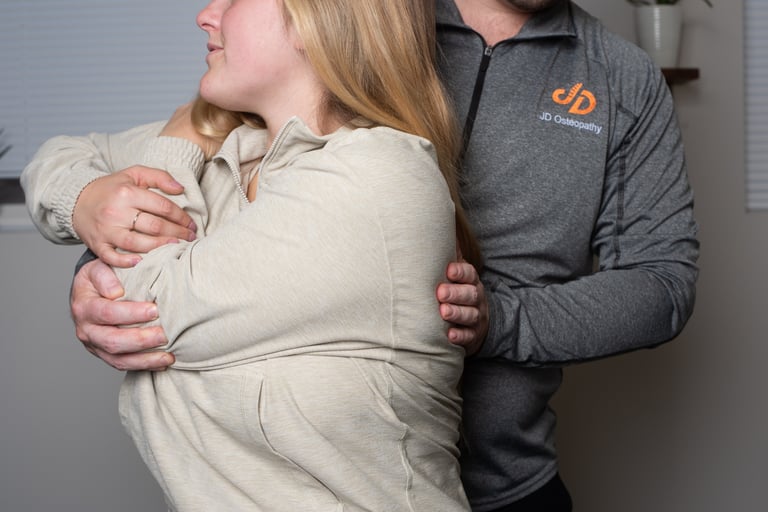
Before you book an appointment, it helps to know what osteopathy actually is. Osteopathy is a hands-on, whole-body approach to health. It focuses on how your bones, muscles, joints, and connective tissues work together. When one part is restricted, everything else compensates. Over time, that compensation leads to pain.
For back pain, an osteopathic practitioner doesn't just look at your spine. They check your hips, your shoulders, your feet , even your jaw. Why? Because stiffness in one area forces another area to move more. That extra load often lands on the lower back.
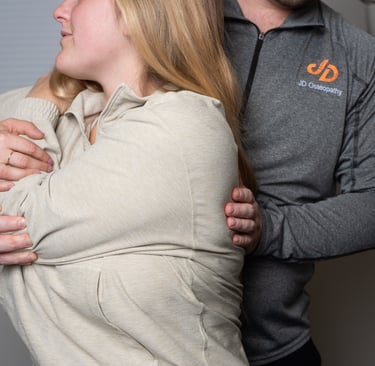
Osteopathy use gentle techniques to restore movement. These include:
Soft tissue massage, to relax tight muscles and improve blood flow.
Joint articulation, moving joints through their range of motion to improve mobility.
Spinal manipulation, quick, controlled movements to realign vertebrae.
Myofascial release, stretching the fascia, the web of tissue that surrounds your muscles.
Each treatment is tailored to you. There's no one-size-fits-all plan. The goal is to find the source of the restriction and release it. That is why osteopathy can be so effective for chronic back pain.
One key difference from other treatments: in osteopathy, you are an active participant. Your practitioner will explain what they find and why it matters. They'll also give you exercises and advice to support your body between sessions.
For a more detailed comparison of osteopathy with physiotherapy and chiropractic, you can read our guide on choosing between osteo, physio, and chiro. But the short version is this: osteopathy is especially good for chronic, recurrent back pain because it addresses the underlying mechanical issues.
Now that you understand the approach, let's move to finding the right osteopathic practitioner in Mississauga.
Step 2: Find a Qualified Osteopathic manual practitioner in Mississauga
Not all osteopaths are the same. In Ontario, the title "osteopath" can be used by two groups: regulated health professionals (like medical doctors with additional training) and manual osteopathic practitioners. For back pain, you'll most likely see a manual osteopathic practitioner.
Here's what to check when choosing one:
Education. Look for practitioners with a Master in the Practice of Osteopathic Manipulative Sciences (M.OMSc.) from a recognized institution with a program that includes at least 4,200 hours of training.
Registration. Look for practitioners who are OSTCAN members through the Ontario Osteopathic Association (OOA). This means they meet professional standards.
Experience with back pain. Ask about their experience treating conditions like sciatica, disc issues, or chronic low back pain.
Approach. Do they treat the whole body, or just the area that hurts? A whole-body assessment is key for lasting results.
Reviews. Check online reviews or clinic testimonials. Look for mentions of back pain relief and quality of care.
JD Osteopathy in Mississauga meets all these criteria. Our practitioners hold M.OMSc. degrees and are members of OSTCAN through the Ontario Osteopathic Association (OOA). We assess the entire body, not just your back. And we've helped many Mississauga residents with chronic back pain.
To get started, you can book an initial assessment directly online. No referral needed. For more details on what to expect, see our getting started guide.
So how do you actually search? Try these steps:
Search online for "osteopath Mississauga" or "osteopathy back pain Mississauga".
Visit clinic websites. Look for credentials and treatment philosophies.
Read reviews on multiple platforms.
Call or email with questions. A good clinic will be happy to answer.
Book an initial appointment. Most clinics offer a 45-minute first session.
Avoid clinics that pressure you into long packages without a proper assessment. Trust your gut. If something feels off, move on.
Once you've found a practitioner you feel good about, it's time to prepare for your first visit.
Step 3: Prepare for Your First Osteopathy Appointment
Your first osteopathy session is longer than follow-ups, usually 45 minutes. It includes a detailed history, a physical exam, and your first treatment. Here's how to get ready.
What to Wear
Wear loose, comfortable clothes. Think gym wear or yoga pants. Avoid tight jeans or dress pants. Your osteopathic practitioner needs to move your limbs and assess your back. Bring socks too, since you'll take off your shoes.
What to Bring
If you have any imaging (X-rays, MRIs, CT scans), bring those results. Also bring a list of current medications, any past surgery dates, and a brief summary of your pain history. It helps to write down when the pain started, what makes it better or worse, and what you've tried before.
What to Expect During the Visit
Your osteopath will sit with you and ask questions. This is the case history. We want to know everything about your back pain and your overall health. Be honest. Then comes the physical exam.
You'll likely be asked to stand, sit, lie down, and perform simple movements. The osteopath will feel your spine, your pelvis, your hips, and other areas, looking for restrictions: areas that don't move as they should.
Treatment starts right away. It's gentle and hands-on. You may feel some clicking or stretching. Most people find it relaxing. Afterward, your osteopath will explain their findings and suggest a treatment plan.
After the Session
It's normal to feel a little sore for 24 to 48 hours. That's your body adjusting. Drink water, avoid heavy lifting, and gently move as tolerated. Your osteopath may give you simple exercises to do at home.
At JD Osteopathy, we make sure you leave with a clear plan. You'll know how many sessions to expect and what to do between them. For most chronic back pain, we recommend 4 to 5 sessions spread over several weeks.
Now you're ready for your first treatment. Let's talk about what comes next.
Step 4: Follow Your Osteopathic Treatment Plan
Osteopathy works best when you follow the plan. That means showing up for appointments and doing your part at home. Here's what a typical plan looks like.
Typical Treatment Schedule
For chronic back pain, you might start with weekly sessions for 4 to 6 weeks. As you improve, sessions become less frequent: every two weeks, then monthly. The total number varies, but most people with chronic issues need at least 4 sessions to see lasting change.
Here's a sample schedule:
This is just one example. Your plan will be tailored to your body.
Tracking Progress
Rate your pain daily on a scale of 0 to 10. Note any activities that flare it up. This helps your osteopathic manual practitioner adjust treatment. Also note how you feel right after each session. Many people feel looser, but it takes time for the change to stick.
Your first session might feel like a relief. But for chronic patterns, the real change happens between sessions. Your body needs to adapt to new movement patterns, and that takes time.
There's also evidence that combining osteopathy with other approaches helps. Manual therapy from a reputable clinic often works best when paired with active rehabilitation. That doesn't mean you need separate appointments. Your osteopath can guide you on which exercises complement the hands-on work.
If you ever feel worse after a session, don't panic. A mild increase in soreness for 24 to 48 hours is normal. If it lasts longer or is severe, contact your osteopathic manual practitioner. At JD Osteopathy, we check in with you after each session to see how you're responding.
Now let's look at how you can support your recovery at home.
Step 5: Complement Osteopathy with Self-Care at Home
Your osteopath does the heavy lifting in the clinic. But your habits at home make or break the results. Here are five self-care practices that work well with osteopathy for back pain.
1. Fix Your Desk Setup
If you sit at a desk all day, your back is under constant strain. Your hips and knees should be at 90 degrees. Your screen should be at eye level. Your lumbar spine needs support: a rolled towel or ergonomic chair can help. Get up every 30 minutes and walk for one minute. This simple habit reduces tension buildup.
For more on how posture affects you, see our article on neck pain in Mississauga. The same principles apply to back pain.
2. Move Regularly
Your body was made to move. Walking, swimming, or gentle yoga are excellent complements to osteopathy. They keep joints mobile and muscles flexible. Avoid high-impact and high-intensity activities until your osteopathic manual practitioner says it's okay. We want to ensure the body isn't overwhelmed with stress while adapting to the changes made during treatment.
3. Sleep Smart
Your mattress matters. If it's more than 8 years old or sags, consider replacing it. Sleep on your side with a pillow between your knees to keep your pelvis neutral. Avoid sleeping on your stomach, as it twists your spine.
Frequently Asked Questions
Can osteopathy help lower back pain?
Yes, absolutely. Osteopathy is very effective for lower back pain, especially when the pain is chronic or keeps coming back. An osteopath looks at the whole body to find the cause, not just where it hurts. They release restrictions in the spine, pelvis, and surrounding muscles. Many people with lower back pain see significant improvement within a few sessions. It is a safe, drug-free option worth considering.
How many osteopathy sessions do I need for back pain?
Most people with chronic back pain need between 4 and 6 sessions to see lasting improvement. Sessions are usually weekly at first, then spaced out as you improve. Some people feel relief after the first session, but for long-term change, a full course of treatment is recommended. Your osteopath will give you a personalized plan based on your condition, how long you've had pain, and how your body responds.
Is osteopathy safe for chronic back pain?
Yes, osteopathy is very safe for chronic back pain. It uses gentle, hands-on techniques that are low-risk. Serious side effects are extremely rare. Osteopaths are trained to recognize conditions that require medical attention. If you have a condition like a herniated disc or osteoporosis, your osteopath will adapt the treatment to keep it safe. Always tell your practitioner about any health issues or medications.
Do I need a referral to see an osteopath in Mississauga?
No, you do not need a referral. In Ontario, osteopathy is a direct-access service. You can book an appointment on your own. However, some insurance plans may require a referral for reimbursement. Check with your provider. At JD Osteopathy, we accept new patients without a doctor's note. Simply book online or call us to schedule your initial assessment.
What should I wear to my first osteopathy appointment?
Wear loose, comfortable clothing like gym wear or yoga pants. Avoid tight jeans or dresses. You will need to move freely during the exam and treatment. Also, bring socks because you will remove your shoes. Women can wear a sports bra or tank top for easier access to the back and shoulders. The goal is for the osteopath to be able to assess and treat you without restrictive clothing.
Is osteopathy covered by insurance in Mississauga?
Many extended health insurance plans in Ontario cover osteopathy. Coverage varies, so check your specific plan. Some plans have limits on the number of visits per year or require a referral. At JD Osteopathy, we provide digital invoices that you can submit to your insurance provider for reimbursement. We do not offer direct billing, but our invoices are accepted by most insurance companies.
Can osteopathy help with sciatica?
Yes, osteopathy can help with sciatica. Sciatica is often caused by compression or irritation of the sciatic nerve, usually from a disc issue or tight muscles in the buttocks. An osteopath can identify the source , whether it's in the spine, the piriformis muscle, or the pelvis , and treat it with hands-on techniques. They also give you stretches and exercises to reduce nerve tension and prevent recurrence.
Conclusion
Back pain doesn't have to control your life. Osteopathy offers a safe, effective way to get to the root of the problem. We've walked through five steps: understanding how osteopathy works, finding a qualified practitioner in Mississauga, preparing for your first visit, following the treatment plan, and supporting yourself at home. Each step matters.
If you're ready to take the next step, JD Osteopathy in Mississauga is here to help. Our Osteopathic Manual Practitioners have advanced training and experience with all types of back pain. We believe in treating the whole person, not just the symptoms. No referral is needed. You can book your initial assessment directly online.
Don't wait for the pain to get worse. The sooner you start, the sooner you can get back to living pain-free. Whether your back pain is new or something you've had for years, give osteopathy a try. Your body will thank you.
JD Osteopathy is located at 5025 Orbitor Drive, Building 1, Unit 101 in Mississauga, and 3141 Walkers Line in Burlington. No referral required.
JD Osteopathy serves patients across Mississauga and Burlington. Our osteopathic practitioners hold a Master in the Practice of Osteopathic Manipulative Sciences (M.OMSc.) from the Canadian Academy of Osteopathy - the highest level of osteopathic education available in Ontario.